
The Tortoise, the Hare, and a Tennessee Garden.
How an unexpected squash project reinforced the value of attention, adjustment, and follow-through in growing a business.
This started with dinner scraps and a “let’s see what happens.”
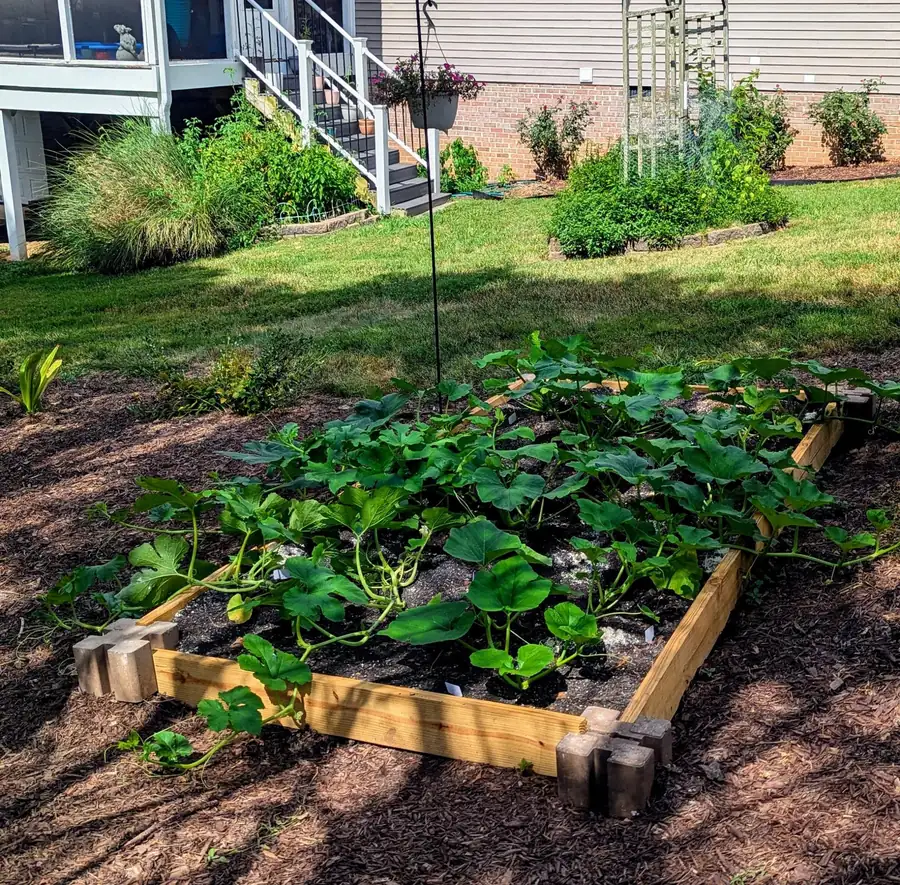
After a spaghetti squash dinner, I dried some seeds, tilled two rows, and dropped roughly 30–40 seeds into the ground. Most never came up. Three plants made it.
Honestly, I was surprised anything grew.
We were supposed to be moving, so this year’s garden was an afterthought. It became my little sanity project—something to tend while other plans were in transition. Once those plants got going, though, I wanted to see what I could do with the unexpected opportunity.
What followed involved hand pollination, feeding, wrangling vines, measuring fruit, trying to address leaf problems, and covering the plants on cold nights.
Eventually, it also involved a very good dinner.

A beautiful yard, but a disappointing harvest
Last year, I put real effort into making the yard beautiful. Looking back through the photographs, I had almost forgotten how much work went into the beds and surrounding landscape.
The four spaghetti squash plants I bought from a nursery certainly grew. Their vines wandered out of the bed and across the yard, beyond the area I was feeding and tending.
There were flowers and developing fruit. But the squash that developed was garbage. All that growth gave me no usable harvest.

That experience stayed with me this year. As the three surviving plants grew, I became more interested in helping them produce something we could actually eat.
I improved the soil, managed the vines, supported the fruit, and paid closer attention to what was developing. Pruning was an ongoing job throughout the season. I removed failing fruit and dying sections of vine, aiming to keep the plant’s resources focused on healthy growth and developing squash. Clearing dying or decaying material from the bed was also part of my effort to keep bugs down. I learned as problems appeared and tried to put that learning to work.
In marketing, that distinction is familiar. A business can publish regularly, attract attention, and look busy. The next question is whether that work helps the right buyers understand the business and take a useful next step.
The garden gave me a very concrete reason to look beyond the amount of visible growth.
The tortoise, the hare, and three different kinds of progress
Last year, the raspberries gave us only a few handfuls. This year, they had their own surprise in store.
While preparing to move, I had fertilizer to use up and spread a substantial amount in that area. What followed was my biggest raspberry harvest so far. The feeding seemed to give them a kick.
After that, the routine was straightforward: keep the canes under control, pick the fruit, apply liquid fertilizer once a week, and water daily through the summer. The burst of production became something I could keep returning to as I maintained the plants.
The tomatoes were another surprise: I hadn’t planted any this season, yet about 20 volunteer plants came up, and roughly 12 went on to produce huge amounts of fruit.
The tomatoes needed cages to wrangle their vines, the same weekly liquid feeding, and daily picking. Last year’s tomatoes had produced a fair amount, but this year gave us about the same—or possibly more—with very little effort beyond that routine. I was still getting tomatoes on November 6.
Throughout this season, just as I did last year, I tossed split or damaged tomatoes at the base of the plants. When I till that material under, we’ll see what volunteers might appear next year.
Then there was the squash, taking its time.
Together, they reminded me of the tortoise and the hare. The raspberries had a burst, the tomatoes kept providing, and the squash required a longer wait. Watching only one moment would have missed much of the story.
That is useful perspective in business. An immediate inquiry matters. So does a helpful article or a clear demonstration that buyers return to while evaluating a decision. Each effort needs to be judged by its purpose, its progress, and what it contributes over time.
The garden reinforced the value of looking across the season.
Curiosity became commitment
Once I decided to give the squash a real chance, there was always something to investigate.
I hand-pollinated female flowers. Some early fruit didn’t make it. Others continued growing, so I supported them and kept taking photographs and measurements.
 |  |
Later, leaves developed white spotting and began declining. I tried a milk-and-water solution, but it didn’t do much to resolve the problem. As nights turned colder, covering and uncovering the plants became part of the routine.

Some efforts appeared helpful. Others gave me little to show for the work. I had to keep observing and adjusting.
My wife supported the project throughout and marveled at how it developed. Something I had planted almost for giggles had become a real focus.
Those habits carry into my work at Fire For Effect Marketing. When prospects keep asking the same question, that may be a good subject for a video. When people visit a service page but rarely inquire, examine whether the explanation and next step are clear. When an approach produces little relevant response, review the audience, message, and offer.
Following through includes learning from what happens after you act.
The harvest finally came
By early November, the two older squash had hard shells and had changed little on the outside for weeks. Their stems remained green while the surrounding foliage withered. A third fruit was still filling out on healthier vines.
On November 6, I harvested the older pair.
One weighed 4 pounds, 5 ounces. The other weighed 4 pounds, 1.8 ounces. Together, they totaled 8 pounds, 6.8 ounces, with girths of 19 inches and 18 inches.
Cutting one open finally answered the question I had been asking while looking at those hard shells. Inside was a substantial layer of pale flesh around the seed cavity.
But the result I really wanted was still ahead: dinner.
 |  |
From saved dinner seeds to dinner again
We harvested the first pair a little early. When I opened the first squash, there was still some green near the rind and in the adjacent flesh. That green disappeared during cooking, and I noticed no effect on the flavor or texture. If you had been served a plate of it cooked, you would never have known.
 |  |
After cooking, the flesh separated into the familiar spaghetti-like strands. I served it with tomato and meat sauce and freshly grated Parmesan cheese.
 |  |
It was delicious.

We are letting the second harvested squash sit on the counter for a few days before opening it. That result is still to come, along with the third, “bonus” squash growing outside.
My wife was incredibly grateful for the homegrown squash and how tasty it was. After supporting and watching the project develop, she got to enjoy the result with me.
That made the whole experience especially satisfying. Seeds saved from one dinner had become part of another, with a season of curiosity, effort, and learning in between.
The weight and measurements documented the harvest. Sharing a meal we enjoyed gave it a purpose beyond the numbers.
Show the work behind the result
Documenting this project also reinforced something central to what we do at Fire For Effect Marketing: people understand a result better when they can see the work behind it.
A squash on the kitchen counter shows the harvest. The earlier photographs and video show the preparation, pollination, setbacks, measurements, and cold-night covers that led up to it.
Technical and industrial companies have stories like that throughout their operations. A finished component carries decisions about materials, setup, machining, inspection, and quality. A successful service call may depend on years of experience recognizing a problem.
Showing that process helps buyers understand the expertise they are considering.
The raspberries, tomatoes, and squash followed different paths. Each gave me a reason to pay attention, provide care, and evaluate what was happening. The process reinforced good marketing practices I already believe in: recognize an opportunity, make the work understandable, watch the evidence, adjust, and follow through.
And there is still a “bonus” squash growing. It will get its own follow-up when we know how that chapter turns out.
For now, a project that started as a little distraction has already given us something worth sharing—and something worth serving.
Could a potential customer understand the value of your work by looking at your marketing today?
At Fire For Effect Marketing, we help technical, industrial, and B2B companies turn complex work into clear marketing buyers can understand, trust, and act on.
Visit www.FireForEffectFFE.com to start a conversation.